Thursday, January 29, 2026
New Padel Rules for 2026
Padel’s 2026 rule updates bring the new Star Point scoring at 40-40, clearer serve definitions and faster play, making matches more predictable and exciting for players and fans alike.
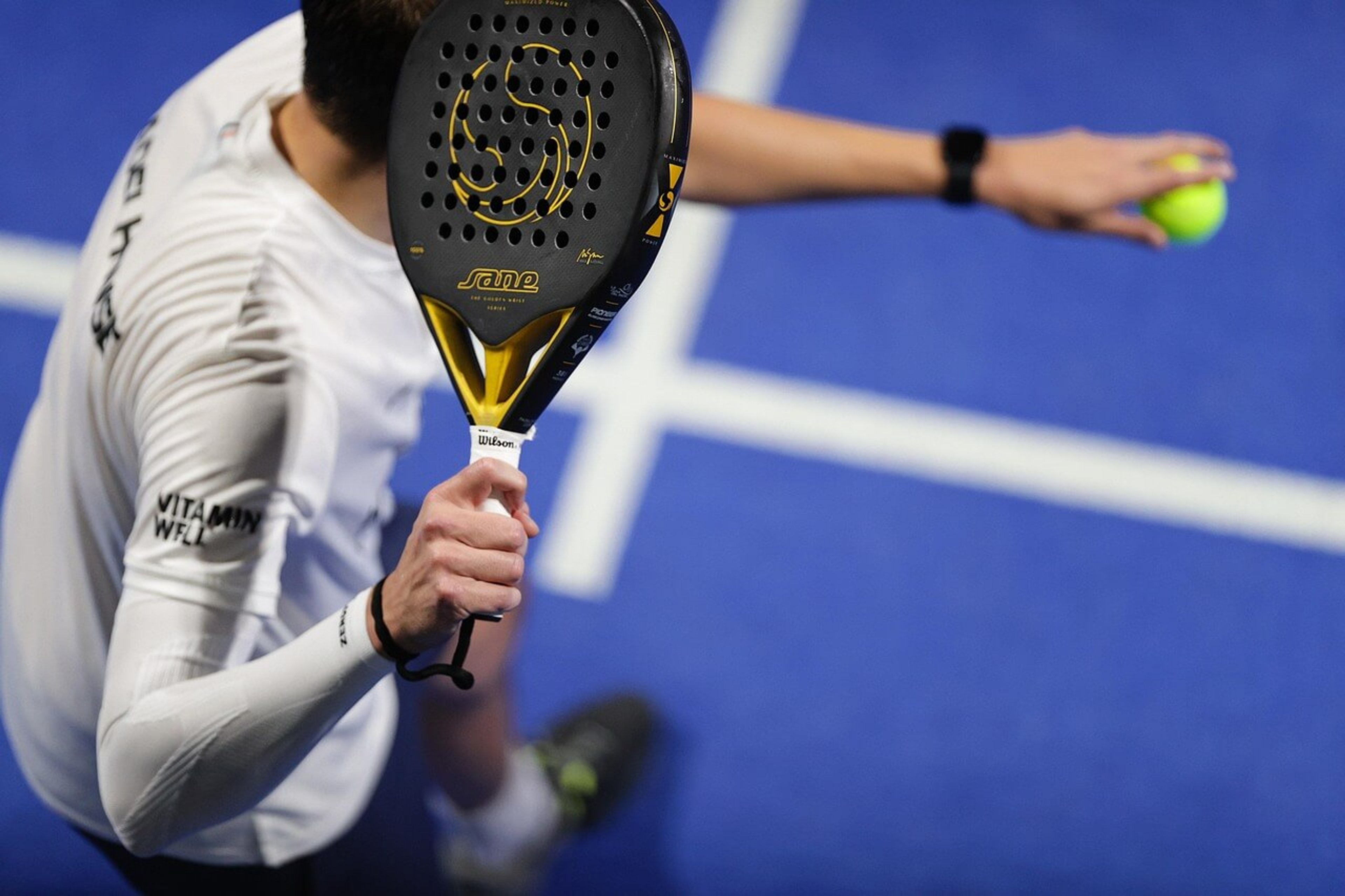
It looks like 2026 will be one of the most exciting years for padel players. It won't be because of new stars or bigger prize pools, but because the rules are changing.
After years of discussion and consultation, the International Padel Federation (FIP) has officially endorsed a major change to how games are scored at professional and high-level events. At the heart of it all is the Star Point System, a new twist on deuce that brings drama, clarity, and faster matches without obliterating the soul of padel that players love.
We collected these 6+1 new rules in this blog post so you don't have to look them up yourself.
1. The Star Point System
One of the biggest shifts in 2026 is the adoption of the Star Point scoring format, now written into the official FIP Rules. When advantage games cannot decide the game, at 40-40 with the new star point, a single point decides who won the game.
This isn’t just about speed speeding up the game. By forcing a one-point decider instead of multiple advantage swings, it alters end-of-game strategy in every set. Expect serve placement and return aggression to take on new weight as players decide how much risk to take with a single decisive point hanging in the balance.
Effectively, this is the same as what we were playing for some time in the UAE when someone asked, “Duce, then golden?”
2. The Imaginary Line
The new rules introduce a clearer definition for the serve that referees can actually enforce without ambiguity:
- The player who serves must bounce the ball within the correct service box before hitting it.
- There’s now an “imaginary line” above the service area that the ball cannot cross before contact.
The position of the server hasn’t noticeably changed (you still serve from behind the baseline), but the rules make it harder for incorrect serve placements to slip through due to inconsistent interpretations.
In practical terms, don’t rely on old interpretations of what “was allowed.” The emphasis is on clear, repeatable calls that reduce guesswork.
3. Faster Pace, Less Downtime
There are multiple timing updates put in place to keep matches moving:
- The warm-up before a match is reduced from 5 minutes to 3 minutes.
- After interruptions (weather breaks, ball changes), the resumption times are tightened.
- Most importantly, eating or drinking between points is now prohibited. Breaks are only allowed during court changeovers.
It reflects a broader push to align padel with modern spectator sports where continuous play matters.
4. Balls and Equipment
Several adjustments were made to allow greater flexibility and clarity:
- The ball color is no longer restricted to yellow or white. Any color can be used as long as it contrasts with the court surface.
- High-altitude ball requirements have been simplified; thresholds are now clearer, reducing regional confusion.
These changes acknowledge how padel is growing globally and played on many surfaces and in different environments. Maybe we will see more pink courts at ladies tournaments? Or maybe some new, exotic ball colors?
5. Safety Standards
Court safety was never optional, but FIP decided to make it even safer for both those who are playing and spectating.
The safety perimeter around courts must now be at least 3 meters (previously 2 meters). This applies especially indoors, where walls and spectators are closer.
It’s a sensible revision. Padel has become faster and more athletic; more run-outs happen at full tilt. The extra space helps reduce collisions and gives players room to retreat safely.
6. Penalty for Racket Loss or Break
For the first time the rules explicitly state that if a player loses control of their racket or breaks it during play, the point is awarded to the opponents. This means no more raging on the court or unmaintained/worn rackets.
Previously this was interpreted differently in various tournaments, but now it’s in writing, which should reduce argument and frustration mid-match.
6+1. Mandatory Club Affiliation
This isn’t a global rule, but it matters if you play in Europe:
Starting in 2026, French team championships (Interclub, Interleague) or pairs championships require players to be formally affiliated with a club to enter official championships and team competitions. Deadlines for registration were set around the end of 2025. You can read more on this here.
Even though this change is regional, these kinds of administrative changes often follow on from rule updates, and they matter if you’re aiming to play in ranked or federated events.
What This Means on Court?
If you’re a casual player who also does competitions, here’s what you’ll notice first:
- Games end faster because of the Star Point.
- Warm-ups are shorter, and stoppages stay short.
- Point penalties on things like racket loss will be clearer and less negotiable.
- Resuming play after a weather delay is quicker.
- Serve placement enforcement should feel more consistent.
These aren’t tweaks with zero impact. Some make the game feel sharper and faster. Others just give referees clearer lines to call.

Stay in the loop
Sign up to get Dubai's padel news
Zero spam, just curated blog posts, new padel clubs, event and tournament reminders straight from our editors. You can unsubscribe anytime.