Friday, June 26, 2026
Hitting Forehand & Backhand Off the Back Glass
Learn how to hit the ball off the back glass with your forehand and backhand as well! It can feel like the wall is getting in the way and causing troubles during the game. In reality, it can become one of your biggest helpers.
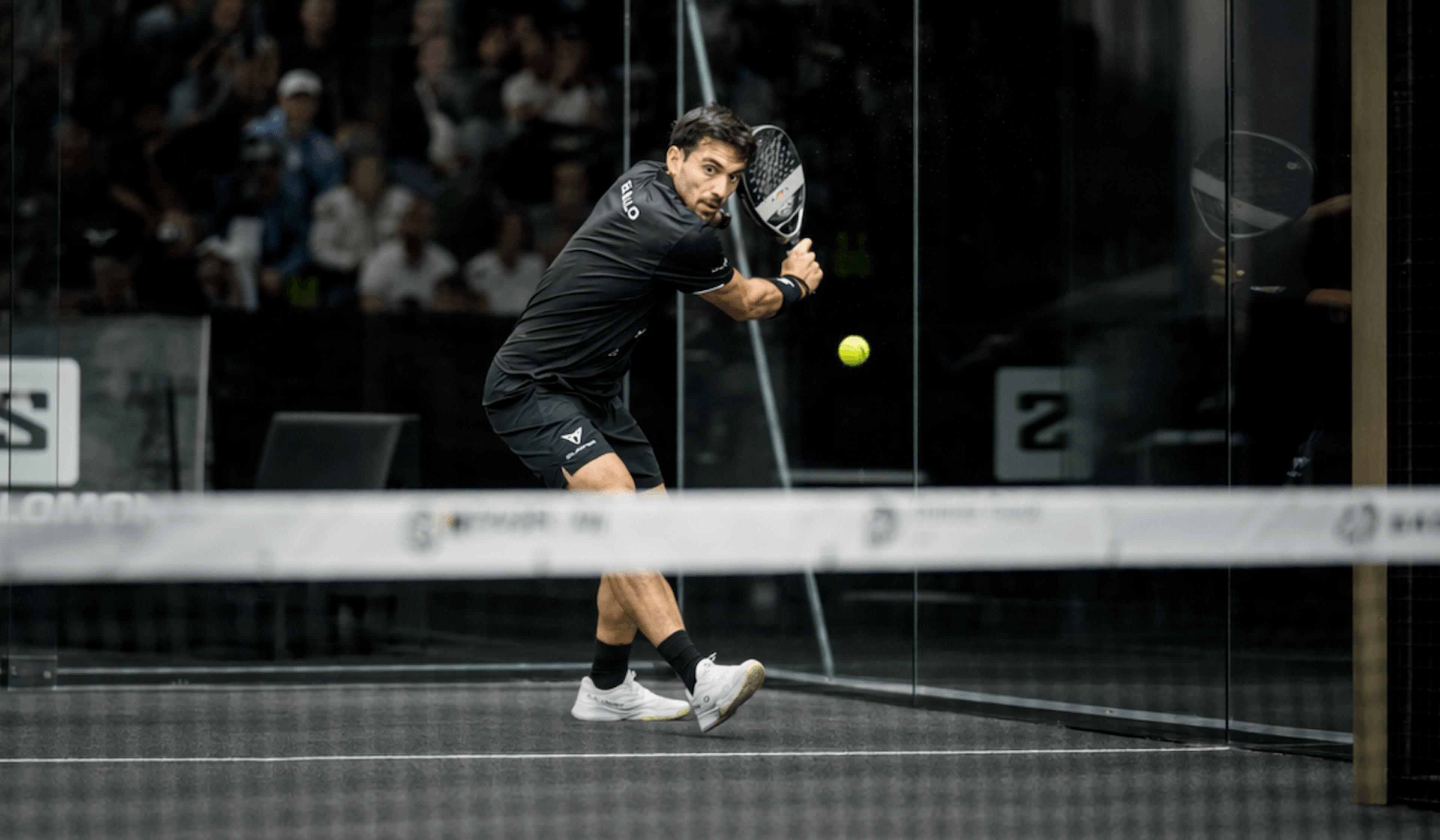
If you’re getting comfortable with your basic forehand and backhand, the next step is learning how to use the back glass.
This is one of the parts of padel that feels a little strange at first. For new players, it can feel like the wall is getting in the way and causing troubles during the game. In reality, it can become one of your biggest helpers. If you learn how to read the rebound, move your feet properly, and stay calm, the back glass gives you more time and keeps you in points that would otherwise feel rushed.
Let’s break down these shots in a simple way, so you can be confident with these shots too.
Why to Use the Back Glass
In padel, many rallies are played from the back of the court. That means you will not only hit regular forehands and backhands, you will also need to hit them after the ball comes off the glass.
This is especially true when the ball lands deep or arrives with pace. For beginners, a useful rule of thumb is that if the ball lands around the service line or deeper, letting it come off the back glass often gives you more time to position yourself and prepare the shot.
Just like regular groundstrokes, these shots are still about control more than power. The difference is timing. You are not rushing to the first bounce, but reading the rebound, creating space, and then playing the ball in front of your body. That is what makes the shot feel clean.
Hitting Off the Back Glass
Let’s start with the forehand, then we will discuss the backhand too.
The forehand off the back glass is usually the easier side for most players. It feels more natural, and once your footwork improves, it becomes a very reliable defensive shot.
A simple image to keep in mind is this: read, retreat, rebound, step in, play. If you skip the retreat, the ball jams you. If you skip the step in, the shot becomes a wrist movement. Both will result in a rushed or uncontrolled shot.
The key fundamentals are
- Prepare early: As soon as you see the ball is going deep, get the racket ready. Early preparation buys you time.
- Turn side-on: Your shoulders should turn just like a normal forehand. The wall changes the timing, not the fundamentals.
- Move back with the ball: This is the biggest extra step. As the ball goes toward the back glass, give yourself space by moving back with it.
- Then move forward after the rebound: Once the ball comes off the glass, step in and meet it in front. This is where control comes from.
- Keep the swing short: You are guiding the ball, not trying to crush it. In many cases, you only need enough pace to send it safely back over the net.
Now, let’s talk about hitting off the back glass using your backhand. This is the side where players usually feel less comfortable, which is completely normal. The backhand already needs a better positioning on standard groundstrokes, and the glass makes that even more obvious.
A reliable backhand off the back glass stops opponents from pinning you on that side. It also helps you reset the point instead of forcing a rushed, uncontrolled shot. At more advanced levels, this same pattern starts to connect with attacking options such as a bajada when the rebound sits high enough.
To hit a reliable backhand off the glass, the key fundamentals are
- Use a continental grip: It gives you versatility and helps you switch smoothly between forehand, backhand, and defensive glass shots.
- Prepare as soon as you recognize the side: Late preparation is even more costly here because the rebound happens quickly.
- Create space from the wall: Do not run too close to the glass. Let the ball come off it and put yourself between the wall and the ball.
- Stay low and balanced: On low rebounds, bend your knees and keep the racket path compact.
- Contact the ball in front, not beside you: If the ball gets too close to your body, the backhand breaks down fast.
Even though the mechanics are similar, the forehand is more natural and usually easier to control early. Backhand off the glass needs better spacing and tends to get exposed under pressure. That is why players often improve faster once they stop thinking about hitting the ball and start thinking about positioning first.
When to Use These Shots in a Match
This is a great shot to practice in structured sessions, beginner events, or one-on-one coaching, because repetition matters much more here than random match play.
However, this is the shot where decision-making matters:
- Use the back glass when the ball lands deep and taking it early would rush you.
- Use it even more as a beginner, because learning to trust the wall is part of becoming comfortable from the back of the court.
- Look to defend first, then build. A controlled ball cross-court, through the middle, or as a lob is often the right choice.
- Attack only when the rebound sits up and you are balanced enough to step through it cleanly.
As a recap, a useful rule of thumb is that if the ball lands around the service line or deeper, letting it come off the back glass often gives you more time to position yourself and prepare the shot.
Common Mistakes
If you have already tried using the back glass, some of these will probably sound familiar:
- Standing too close to the wall and getting jammed.
- Moving back but not stepping forward after the rebound.
- Preparing too late.
- Swinging too big instead of keeping the shot compact.
- Trying to win the point from a defensive position instead of resetting it.
The good news is that these mistakes improve quickly once you train the footwork pattern. Usually, the problem is not your hand. It is your distance from the rebound. You do not need fancy drills to improve this shot. First of all, start with the following:
- Partner feed drill: Have a partner feed slow, deep balls that land past the service line and hit the back glass. Alternate forehand and backhand.
- Two-bounce progression: First allow an extra bounce after the rebound so you can learn the spacing. Then remove the second bounce once the movement feels natural.
- Decision-line drill: Use the service line as a visual guide. If the ball lands short, play it before the wall. If it lands deep, use the glass.
- Target drill: Play controlled returns cross-court or through the middle instead of trying to hit hard. Accuracy first.
First learn to defend the rebound, then learn to neutralize it, and only then start using higher rebounds to build attack. That is how confidence develops.
What to Learn Next
Once your forehand and backhand off the back glass start feeling more comfortable, the next step is connecting them to real match situations. Serve returns, lobs, volleys, and eventually attacking options like the bajada.
Want to improve faster? Find a coach in Dubai, join a structured game, and start practicing this shot on purpose!

Stay in the loop
Sign up to get Dubai's padel news
Zero spam, just curated blog posts, new padel clubs, event and tournament reminders straight from our editors. You can unsubscribe anytime.